top of page

From 18 December 2025 to 22 February 2026, XNL Piacenza hosts Sillabari d’Appennino, an exhibition that places the highlands at the centre as a physical, symbolic, and human space, seen through the lenses of Alessandra Calò and Sergio Ferri.


Passo_Fregarolo__©SergioFerri

Curated by Enrica Carini, the project unfolds as a journey of discovery and remembrance, intertwining photography, poetic language, sound, and installation in a layered narrative of the contemporary Apennines.


XNL – the Centre for Contemporary Art of the Fondazione di Piacenza e Vigevano – continues a long-standing reflection on territory, expanding its focus beyond the urban sphere to explore mountainous landscapes shaped by biodiversity, tradition, and deep-rooted identities. As Fondazione President Roberto Reggi notes, the exhibition is an homage not only to these places but also to the people who inhabit and care for them on a daily basis.


Ortica_alessandracalo

The exhibition brings together two distinct yet complementary artistic investigations. Rogazioni Silvestri – Erbario Mistico d’Appennino by Alessandra Calò originates from an artist residency in the mountains of Reggio Emilia and explores the ancestral bond between humans and their natural habitat. Created using ancient photographic printing techniques, the images enter into dialogue with poems by Mara Redeghieri, evoking pagan rituals, archaic litanies, and a sacred dimension of the landscape. The result is an intimate narrative in which territory becomes an archive of myths, legends, and collective memories that still resonate in the present.


AltaValNure_©SergioFerri

Sergio Ferri’s Terre Alte shifts the focus to the upper Piacenza Apennines, presenting a gallery of faces, gestures, and fragments of landscape. His approach avoids nostalgia or idealisation, instead offering a careful reflection on the conscious choice to live in the mountains, marked by effort, isolation, and everyday resilience. Ferri’s photographs portray a humanity that continues to exist—before it resists—raising questions about the tension between urban modernity and alternative ways of life.


Sillabari d’Appennino is conceived as an immersive and multidisciplinary experience. Visitors encounter a miniature forest alongside spaces dedicated to pause, listening, and reflection. An original soundscape, created by the Department of New Languages of XNL Musica, runs throughout the exhibition, enhancing its sensory dimension.


XNL Piacenza

Via Santa Franca 36, Piacenza


18 dicembre 2025 - 22 febbraio 2026


In 2026, the Peggy Guggenheim Collection in Venice dedicates its exhibition programme to two pivotal chapters in the cultural history and collecting practices of the twentieth century: the London gallery Guggenheim Jeune and the visionary experience of the Fucina degli Angeli.


Vasily Kandinsky (1866-1944) Curva dominante (Dominant Curve) Aprile 1936 Olio su tela 129.2 x 194.3 cm Museo Solomon R. Guggenheim, New York, New York, Fondazione Solomon R. Guggenheim, New York
AnnieVasily Kandinsky (1866-1944), Curva dominante (Dominant Curve) Aprile 1936, Olio su tela 129.2 x 194.3 cm, Museo Solomon R. Guggenheim, New York, New York, Fondazione Solomon, R. Guggenheim, New York

Two distinct yet deeply interconnected projects that highlight Peggy Guggenheim’s role as a catalyst for relationships, ideas and experimentation, always in dialogue with the museum’s permanent collection.


Opening the season, from 25 April to 19 October 2026, is Peggy Guggenheim in London. The Making of a Collector, the most extensive museum exhibition ever devoted to the brief but decisive adventure of the Guggenheim Jeune gallery. Curated by Gražina Subelytė and Simon Grant, the exhibition focuses on Peggy Guggenheim’s London years between 1938 and 1939, a formative period in which she shaped her vision and method as a collector, forging connections with key figures such as Marcel Duchamp, Mary Reynolds and Samuel Beckett.


Sophie Taeuber-Arp (1889-1943) Equilibrio (Equilibre) 1932 Olio su tela 41.7 x 33.5 cm Stiftung Arp e. V., Berlino/Rolandswerth
Sophie Taeuber-Arp (1889-1943), Equilibrio (Equilibre) 1932, Olio su tela 41.7 x 33.5 cm Stiftung Arp e. V., Berlino/Rolandswerth

In little more than a year of activity, Guggenheim Jeune became a major reference point for the European avant-garde, hosting over twenty pioneering exhibitions: from Vasily Kandinsky’s first solo show in London to a monographic exhibition on Jean Cocteau, from the first UK group exhibition dedicated to collage to a controversial presentation of contemporary sculpture. The Venetian exhibition brings together around one hundred works from major international museums and private collections, alongside archival materials that convey the atmosphere of intense cultural experimentation on the eve of the Second World War. After Venice, the exhibition will travel to the Royal Academy of Arts in London and subsequently to the Guggenheim Museum in New York, underlining its international scope.


Pablo Picasso (1881-1973), Bacco 2 (Rosso), 1954-60, Vetro soffiato pagliesco con applicazioni a caldo di vetro rosso e acquamare 37,5 x 30 x 20 cm (wooden base 15 x diam. 17,5 cm), Kunstmuseum Walter, Augusta, © Succession Picasso, by SIAE 2026

In autumn, from 14 November 2026 to 29 March 2027, the Peggy Guggenheim Collection will present Fucina degli Angeli. Peggy Guggenheim and Twentieth-Century Artistic Glass, curated by Cristina Beltrami. The exhibition sheds light on one of the most fascinating chapters of post-war Murano glassmaking: the Fucina degli Angeli, founded in the 1950s by Egidio Costantini as a collaborative workshop between master glassmakers and international artists. More than one hundred glass works, together with drawings and historical documents, recount a season of experimentation that involved figures such as Picasso, Calder, Braque, Léger, Fontana and numerous Japanese artists.


Peggy Guggenheim played a decisive role in supporting and promoting this venture, fostering its international reach and facilitating dialogue with the American context. The exhibition places the glass works in conversation with paintings and sculptures by the artists involved, revealing the complexity of a project that redefined the boundaries between art and craftsmanship.


Peggy Guggenheim Collection

Dorsoduro 701, 30123 Venezia


25 aprile 2026 - 19 ottobre 2026


UNIQUE returns to Milan, the exhibition project conceived and curated by Bruno Gnocchi to give visibility to new generations of artists through short-term experimental interventions.


Storiellette_VOGA Art Project_cover image blank
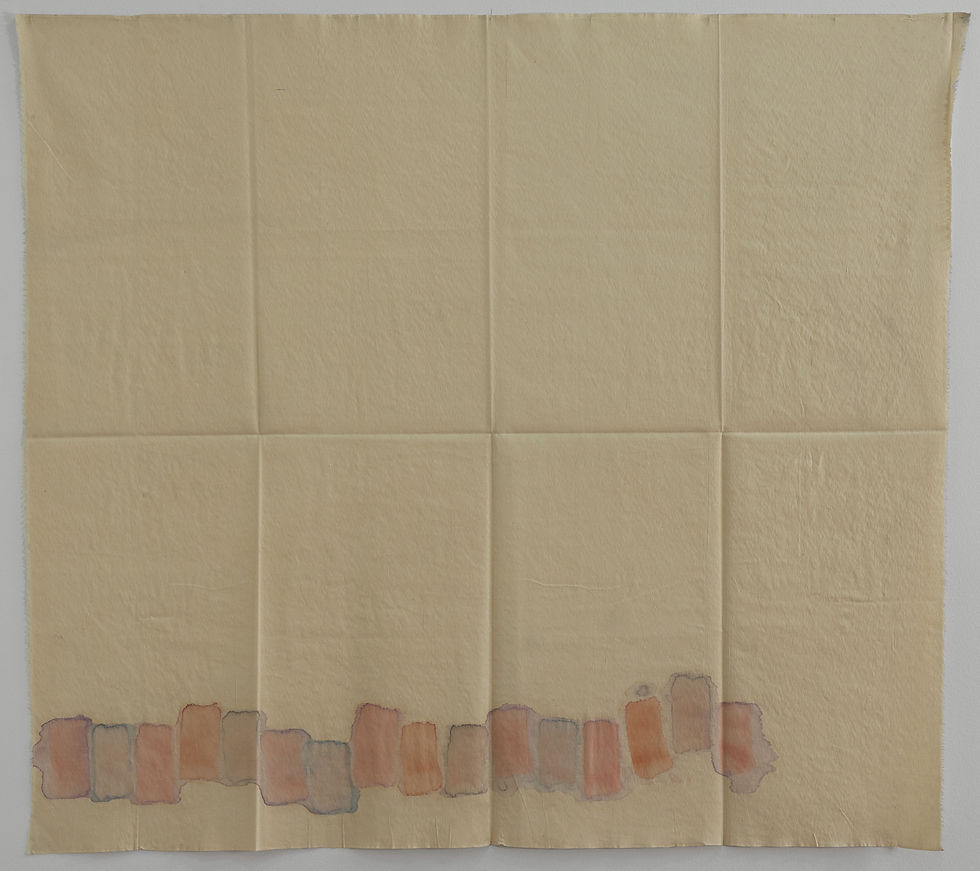
Annie Shead, Front garden, 80x80, 2025

Following its first edition in 2025, UNIQUE renews its collaboration with the historic gallery Antonia Jannone Disegni di Architettura, which from 24 to 26 January 2026 will host the works of two young British artists: Annie Shead and William Van Hoorn. The opening is scheduled for Friday 23 January at 6:00 pm, at Corso Garibaldi 125 in Milan.


UNIQUE was conceived as a concise format designed to enhance the intensity of the encounter between artwork and viewer, proposing an alternative mode of engagement compared to the extended timelines of traditional exhibitions. The project focuses on a small selection of works, encouraging close observation and a direct relationship with the artists’ creative processes. In this sense, the gallery becomes an almost laboratory-like space, where research unfolds before the viewer’s eyes.


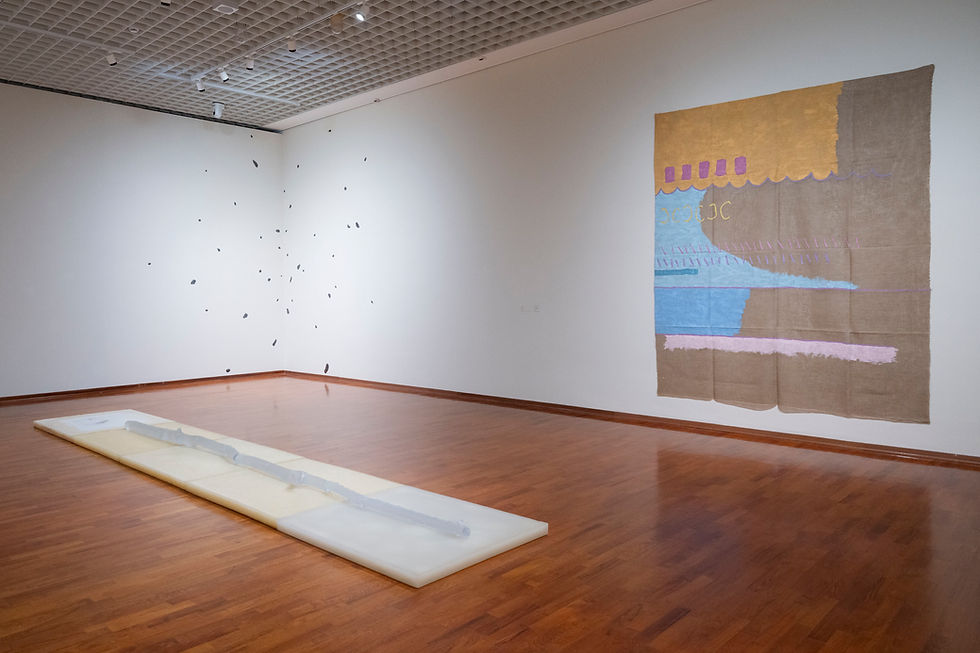
For this second chapter, Bruno Gnocchi brings together two artistic practices that, while rooted in different languages, share a deep reflection on abstraction and on the relationship between matter, gesture and image. William Van Hoorn, born in London in 2000, develops a painterly practice that weaves together concrete abstraction from the second half of the twentieth century with organic and symbolic references drawn from diverse cultural contexts. His canvases are crossed by living forms that disrupt geometric structures and minimalist grids, generating an unstable balance between order and impulse, control and chromatic memory.


Figlio_di_gazza_2023,_Matèria_Roma_Photo_Roberto Apa
William Van Hoorn, No title- Oil on Hessian Jute, 140 x 120

Annie Shead, born in London in 2002, works with what she defines as machine paintings: works that originate from the rituality of textile labour. Visible stitches, thread tension, errors and repetitions transform domestic objects and surfaces into essential compositions, where fabric becomes skin and the artisanal gesture acquires a sculptural dimension. Colour and rhythm replace the brushstroke, giving rise to images in which material itself carries meaning.


The dialogue between Shead and Van Hoorn unfolds in the subtle space between structure and unpredictability. In Van Hoorn’s works, organic forms undermine geometric order; in Shead’s, matter itself destabilises modular systems. Both artists, however, explore abstraction as a tool to create open images capable of conveying the tensions and complexities of the present.


Galleria Antonia Jannone Disegni di Architettura

Corso Garibaldi 125, Milano


24 - 26 gennaio 2026


bottom of page